
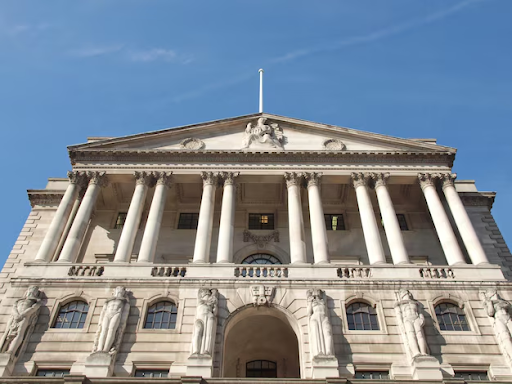
The Bank of England has held interest rates unchanged at 3.75%, with Governor Andrew Bailey emphasizing that the challenge isn’t just getting inflation back to 2% but keeping it there. This focus on sustainability is shaping the approach to future rate cuts.
The monetary policy committee’s 5-4 vote to maintain rates reflected this emphasis on sustainable low inflation. While four members believed inflation is already under sufficient control to justify immediate cuts, five felt that ensuring inflation stays at 2% requires maintaining current policy settings for now.
Bailey’s comments highlighted the distinction between achieving a target temporarily and maintaining it sustainably. He stated that while inflation is expected to fall to around 2% by spring, “we need to make sure inflation stays there.” This language suggests policymakers are concerned about the risk of inflation rebounding if rates are cut too aggressively.
The focus on sustainability partly reflects lessons from previous inflationary episodes where premature easing allowed price pressures to resurge. Some committee members, particularly Megan Greene, worry that high consumer inflation expectations could cause actual inflation to remain elevated even as temporary factors fade.
However, other members argue that with inflation projected to fall to 2.1% by mid-2026 and stay there, concerns about sustainability are overstated. The Bank’s forecast already incorporates Chancellor Rachel Reeves’s budget measures, including utility bill cuts and rail fare freezes from April. Economic growth is projected at just 0.9% this year with unemployment reaching 5.3%. Bailey suggested that successfully keeping inflation at 2% should create scope for rate cuts to support growth, balancing sustainability concerns against the need to avoid excessive economic weakness.
