
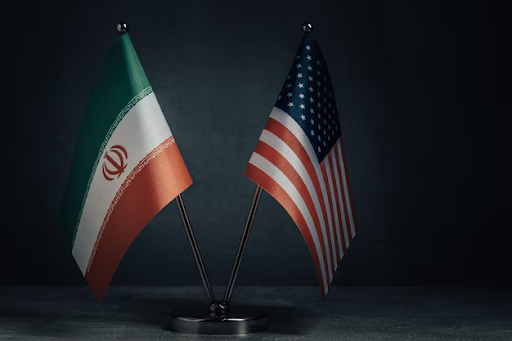
The right of Iran to enrich uranium on its own soil remains the central unresolved question dividing Tehran and Washington, even as indirect nuclear talks in Geneva continued to make measured progress on Tuesday. Iranian officials reported agreement on guiding principles after a second round of discussions facilitated by Oman, but the enrichment impasse showed no signs of resolution.
Foreign Minister Araghchi led Iran’s delegation through three and a half hours of talks, emerging to describe the session as constructive and an improvement over the first round. He said both sides were now prepared to exchange draft texts and had agreed to meet again in roughly two weeks to work through their remaining differences.
Iran’s position on enrichment is unequivocal: it has the sovereign right to enrich uranium for civilian purposes, and no amount of diplomatic pressure or economic incentives will cause it to abandon that right. The US position is equally firm: Iran cannot be trusted to maintain a civilian-only programme if it retains full domestic enrichment capability, and any deal must include a complete halt.
In the meantime, Iran offered what it characterized as meaningful concessions: the dilution of its 40-kilogram stockpile of 60% enriched uranium, expanded cooperation with IAEA inspectors, and a non-aggression framework that might address some US security concerns. These were presented alongside an economic prosperity package that Tehran hoped might appeal to the Trump administration’s interest in transactional dealmaking.
The backdrop was turbulent in all directions. Khamenei made threatening remarks about US naval forces in the Gulf, Iran announced partial closure of the Strait of Hormuz for military exercises, and the domestic political situation remained deeply unsettled, with thousands of protesters facing prosecution and reformist politicians cycling in and out of detention.
