
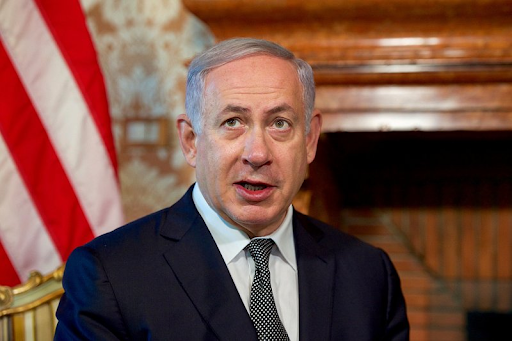
Prime Minister Benjamin Netanyahu is advancing a bold and somewhat counterintuitive strategy: that Israel’s military campaign against Hezbollah is the foundation upon which peace with Lebanon and Syria can be built. On Sunday, he told his cabinet that the recent conflict has created an unprecedented “window” of opportunity for diplomatic normalization with countries that have long been considered intractable foes.
The most dramatic shift has been with Syria. Following the toppling of Bashar al-Assad, the decades-long state of war has given way to direct negotiations. The new Syrian government is not only talking to Israel but is, according to one of its officials, on a path to finalize military and security agreements by the end of 2025. This represents a seismic change in the region.
The Lebanese front is more complex. A ceasefire is officially in place, yet Israel’s military continues to degrade Hezbollah’s capabilities with targeted strikes. This military pressure is complemented by diplomatic efforts from Washington, which is urging the Lebanese government to assert its sovereignty by disarming Hezbollah, a powerful non-state actor.
Netanyahu’s public comments frame this strategy explicitly. He credited “victories in Lebanon against Hezbollah” for creating the conditions for peace talks. While he tempered expectations regarding the Syrian track, describing it as “a long way off,” his confirmation of “some progress” is significant in itself.
In a sign of these changing dynamics, Lebanon’s government has ordered its army to develop plans for Hezbollah’s disarmament. The foreign minister has outlined a phased approach, starting with areas near the Israeli border. This move, coupled with Syria’s withdrawal of heavy arms from its southern region, suggests that Netanyahu’s gambit of applying military pressure to foster diplomatic openings may be yielding results.
