
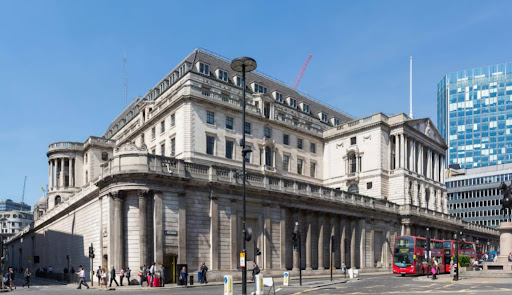
A “war premium” has entered the Bank of England’s inflation calculations following the outbreak of the US-Israel conflict against Iran, prompting a unanimous decision to hold rates at 3.75% on Thursday while warning that energy price rises could push UK inflation above 3%. The monetary policy committee said the conflict had created a new and significant upside risk to inflation, driven by disruption to global energy markets. Officials warned that this war premium could require a monetary policy response in the months ahead.
The war premium concept reflects the additional inflationary pressure that geopolitical conflict introduces through energy markets. The US-Israel operation against Iran has pushed oil and gas prices sharply higher, feeding through to petrol prices in the UK and threatening to raise household energy costs later in the year. The Bank now projects inflation climbing to approximately 3.5% in March and remaining above its 2% target throughout 2026.
Governor Andrew Bailey said the Bank was closely watching the war premium’s evolution and its potential impact on UK prices. He acknowledged the early evidence at petrol stations and warned that the shock could broaden if supply disruptions continue. The Bank would monitor conditions carefully and act through interest rate policy if the inflation picture deteriorated materially.
Markets responded by pricing in the possibility of rate hikes in June and later in the year. UK gilt yields rose, the FTSE 100 fell, and the pound strengthened against the dollar. Analysts described the changed outlook as reflecting a fundamental shift in the balance of inflationary risks, with the war premium now a central variable in UK monetary policy deliberations.
Within the committee, the debate about how to respond to the war premium has revealed genuine differences in emphasis if not in immediate conclusion. Some members see the risk as temporary and potentially self-correcting, while others worry about the persistence of the shock and its interaction with a public that has already endured years of above-target inflation. The resolution of that internal debate will shape the Bank’s actions in the months ahead.
