
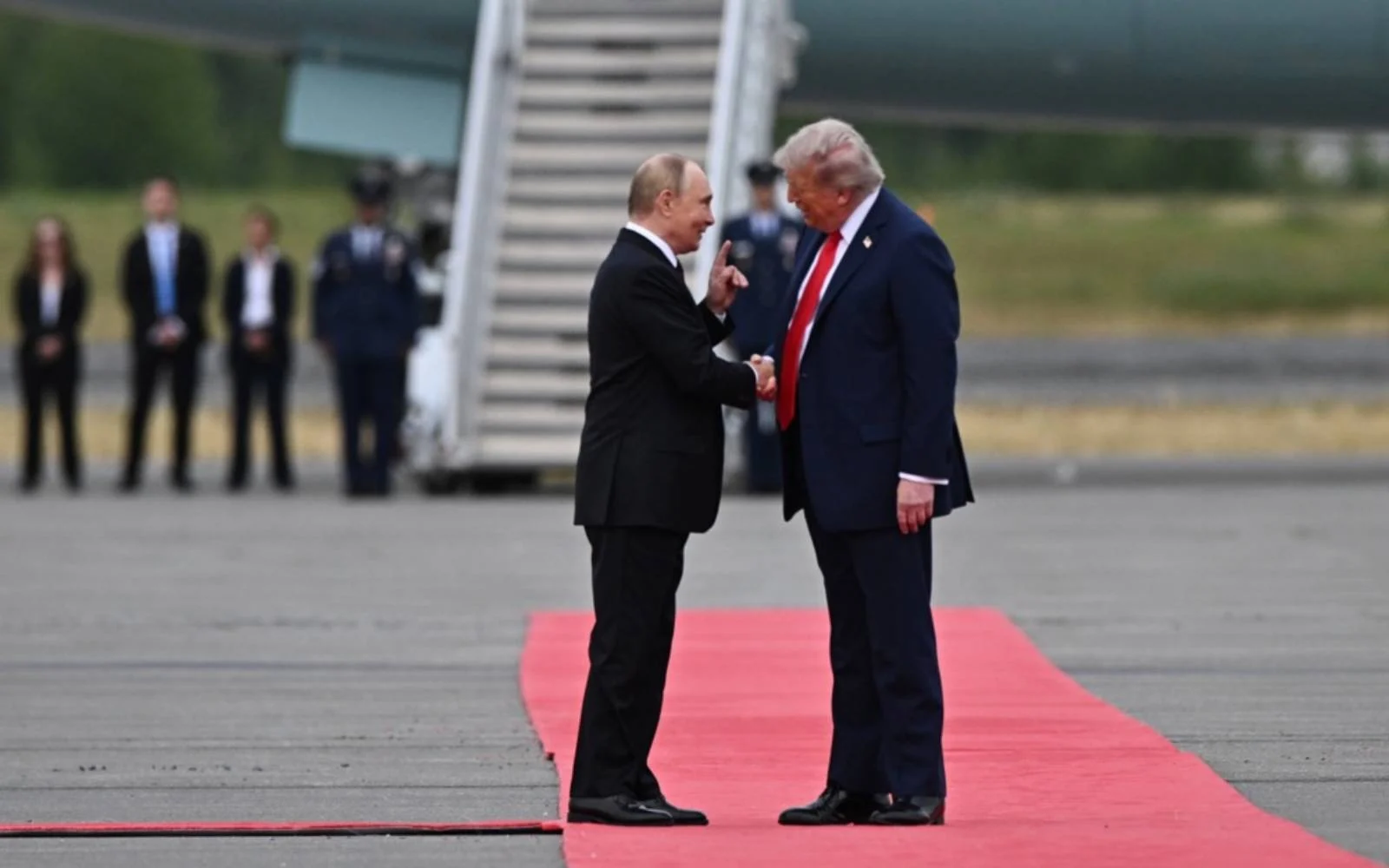
The US president’s claim of “big progress” with Russia is setting the stage for a tense but critical meeting with Ukrainian President Volodymyr Zelenskyy and his European allies. Following a private three-hour summit with Vladimir Putin, Donald Trump’s vague statement on social media has left many wondering about the details of any potential deal. The timing of his remarks, a day before Zelenskyy’s arrival in Washington, suggests a clear attempt to set the agenda for the talks.
The stakes are high as a US envoy has hinted at a “game-changing” agreement on “robust security guarantees” for Ukraine. However, the details of what these guarantees entail remain unclear. This ambiguity has fueled concerns among European leaders who fear that a swift peace deal could come at the cost of Ukraine’s sovereignty and territorial integrity. They are keen to ensure that any resolution is just and sustainable, rather than a temporary ceasefire.
Adding to the complexity are reports of a “land-for-peace” proposal discussed at the Alaska summit. This reported plan involves Russia returning some occupied territories in exchange for Ukraine ceding a significant eastern region and freezing the front lines. This proposal directly challenges Ukraine’s long-held position of not giving up any land, and European leaders are expected to voice strong opposition to such a deal.
To counter any pressure on Zelenskyy, a powerful group of European leaders—including French President Emmanuel Macron, UK Prime Minister Keir Starmer, and German Chancellor Friedrich Merz—will accompany him. Their unified presence is a deliberate strategy to reinforce their support for Ukraine and to ensure that the transatlantic alliance speaks with a single voice on the future of the conflict. The outcome of the talks will be a barometer of the cohesion of the Western world in the face of Russian aggression.
