
Amid rising regional tensions, Qatar has confirmed that ongoing technical discussions between the United States and Iran are progressing, despite some confusion surrounding the intended negotiations in Doha. These talks are part of a broader US-mediated initiative aimed at reducing regional conflicts, with a focus on issues such as frozen Iranian financial assets and maritime security concerns. While Iran has refuted claims of any direct meetings scheduled with US officials, it acknowledges that discussions are taking place indirectly through Qatar’s mediation efforts.
During these discussions in Doha, US envoys Steve Witkoff and Jared Kushner were present to engage in wider regional dialogues. Qatar has also clarified that substantial Iranian funds, which have been frozen, have yet to be transferred, contributing to the complexity of the situation marked by inconsistent public statements from both Washington and Tehran regarding the negotiation status.
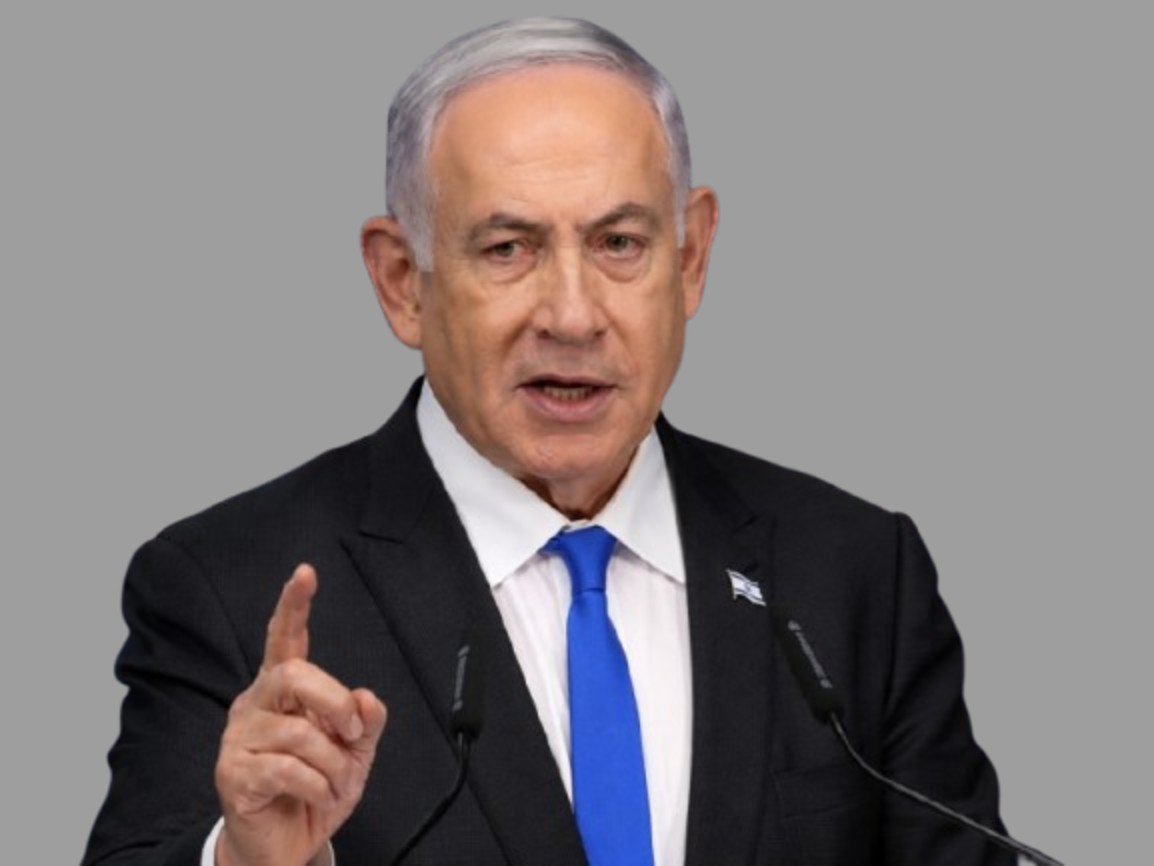
Adding to the regional tensions is the recent visit by Israeli Prime Minister Benjamin Netanyahu to southern Lebanon, a region under Israeli occupation. During his visit, Netanyahu declared that Israeli forces would remain stationed there until Hezbollah ceases to be a threat. This visit follows a US-mediated security arrangement between Israel and Lebanon, further complicating the geopolitical landscape.
The Strait of Hormuz continues to be a significant point of contention in US-Iran relations, with both countries exchanging allegations related to recent military actions and disputes over maritime governance. This critical waterway remains central to global energy trade and is a focal point in ongoing diplomatic discussions.
The oil markets have responded with caution to these developments, with price fluctuations reflecting investor uncertainty. Market participants are closely watching to see if the diplomatic efforts underway in Doha will lead to a stabilization of the situation or if there will be a further escalation in regional instability.
